






by Hoffman Weber Construction, on June 29, 2026
Key Takeaways
- Manufacturer warranties cover material defects, while contractor warranties cover installation errors.
- Extended & No Dollar Limit (NDL) options provide maximum protection by covering both materials and labor.
- Prorated value drops and poor attic ventilation can easily reduce or void your coverage.
Buying a new roof is a lot like buying a new vehicle with a warranty. You want to know that if something breaks three years down the road, you aren’t the one stuck with a massive bill.
When you start looking at the fine print for a roof warranty, it feels like there are a hundred different options. In reality, there are really only four types of roofing warranties you need to worry about. These four options generally fall into two buckets: contractor workmanship and manufacturer material. The four types of warranties are:
- Standard warranties
- Extended warranties
- Contractor warranties
- No Dollar Limit (NDL) warranties
Think of it this way: one covers the shingles themselves, and the other covers the person who nailed them down. The whole point of these warranties is to give you peace of mind that your roof installation won’t turn into a financial nightmare because of a factory defect or a sloppy crew.
 Manufacturer Warranties
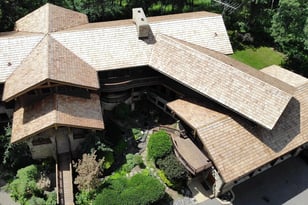
Manufacturer warranties are often called material warranties, and they come directly from the people who made the shingles (like GAF, Owens Corning, or CertainTeed). If your shingles start to blister, degranulate, or fail way before they should, this is the warranty that kicks in.
The catch is that it only covers the product. If the shingles are fine but the guy who installed them forgot to flash your chimney correctly, the manufacturer is going to tell you it isn't their problem.
The Pros:
- Covers factory defects that you can’t see with the naked eye.
- Usually lasts a long time (sometimes "lifetime," with some caveats).
- Provides a safety net if a major brand has a bad production run.
The Cons:
- Does not cover labor costs to replace the bad shingles (on standard plans).
- Often, it doesn't cover consequential damages (like the water stain on your ceiling).
- Very specific requirements for how the roof must be maintained.
Standard Manufacturer Warranty
This is the off-the-shelf protection that comes with almost every asphalt shingle roof. It’s the baseline. It usually protects you against manufacturing defects for about 10 to 50 years, depending on the shingle grade.
Who is this for? This is best for homeowners on a tight budget who want the minimum level of protection required to feel secure. It’s for the person who trusts the product but doesn't feel the need to pay extra for premium coverage.
 Extended Manufacturer Warranty
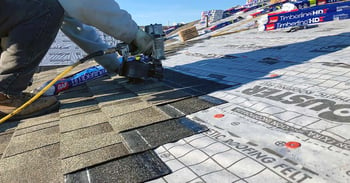
This is the upgraded version. To get this, you usually have to hire a certified or master contractor who the manufacturer has vetted. These warranties often cover the entire roofing system, including the underlayment, ice and water shield, and venting, not just the shingles.
Who is this for? If you plan on living in your home for the next 20 years, this is for you. It’s also for people who want labor costs included in the warranty, as many extended plans will actually pay the contractor to fix the defect.
Contractor Warranties
A contractor warranty (or workmanship warranty) is provided by the company that actually does the work. This is their promise that they did the job right. If your roof leaks because a shingle was nailed too high or the valley wasn't lined correctly, the contractor comes back to fix it for free.
The Pros:
- Covers the most common cause of roof failure: human error.
- Usually, a much simpler claims process.
- Shows the company actually stands behind its crew.
The Cons:
- The warranty is only as good as the company. If they go out of business, the paper is worthless.
- Usually shorter duration than manufacturer warranties (often 2, 5, or 10 years).
Pro-tip: Always check a company’s physical address and how long they’ve been in business before trusting a "lifetime" workmanship warranty. Anyone can promise forever, but staying in business that long is the hard part.
When you hire a contractor, the workmanship warranty is often the best indicator of how much they trust their own guys.
 No Dollar Limit (NDL) Warranties
NDL warranties are the heavy hitters. You mostly see these in commercial roofing, but they exist in high-end residential work too. An NDL warranty is a full-system agreement where the manufacturer takes responsibility for both the materials and the workmanship.
If there’s a leak, the manufacturer handles it. They don't care if it was a bad shingle or a bad nail—they just fix it. There is no dollar limit on the repairs, meaning even if the repair costs more than the original roof, they’re on the hook.
Who is this for? This is for the property owner who wants zero risk. It’s more expensive upfront because the manufacturer has to send an inspector to the job site to sign off on the work, but it’s the ultimate sleep-at-night insurance.
Choosing a Roof Warranty
Choosing the right path isn't just about picking the longest number of years. You have to look at the fine print triggers that can leave you hanging. The prorated trap here is the ugly truth most companies won’t lead with: many 50-year warranties are prorated. This means that as your roof gets older, the value of the warranty drops. By year 20, they might only cover 20% of the cost. Always ask for the non-prorated period. That’s the only time frame where you’re truly 100% covered.
Other things to watch for:
- Warranty Voids: Did you know that installing a new roof over an old one or failing to have enough attic vents can instantly void your warranty?
- Transferability: If you sell your house, does the warranty go to the new owner? A transferable warranty is a massive selling point.
|
Warranty Type |
Covers Materials? |
Covers Labor? |
Typical Length |
|
Standard Mfg |
Yes |
No |
10-50 Years |
|
Extended Mfg |
Yes |
Yes (usually) |
20-50 Years |
|
Contractor |
No |
Yes |
2-10 Years |
|
NDL |
Yes |
Yes |
10-30 Years |
Matching your warranty to your roof type is the best way to ensure you aren't overpaying for coverage you don't need or under-protecting a massive investment.
 Hoffman Weber Roofing Warranties
At Hoffman Weber, we don't believe in hiding behind legalese. We offer robust workmanship warranties because we know our crews are the best in the business. But we also partner with top-tier manufacturers to provide extended system warranties that cover you from the deck up. We walk you through the options for your specific project, so you know exactly where the manufacturer’s responsibility ends, and ours begins.
Roof Warranty FAQs
How do I find my roof warranty?
If you just bought the house, check your closing documents or look for a sticker on the guest side of the electrical panel or in the attic. If you had the roof installed, you should have received a certificate from the manufacturer via mail or email about 60 days after the job was finished.
How old can a roof be before insurance claims it’s too old?
Many insurance companies start getting twitchy once a roof hits the 15-to-20-year mark. After 20 years, some may refuse to offer "Replacement Cost Value" (RCV) and will only offer "Actual Cash Value" (ACV), which means they’ll pay you significantly less if a storm hits.
What voids a roof warranty?
The big ones are poor ventilation (your roof "cooks" from the inside), "roof-over" installations (putting new shingles over old ones), and unauthorized alterations—like a satellite dish guy drilling holes wherever he wants without sealing them properly.
So, before you sign that contract, ask the "what if" questions. A good warranty isn't just a piece of paper; it’s the backbone of your home’s protection. If you’re ready to get a roof that’s backed by a team that actually picks up the phone, give us a shout.